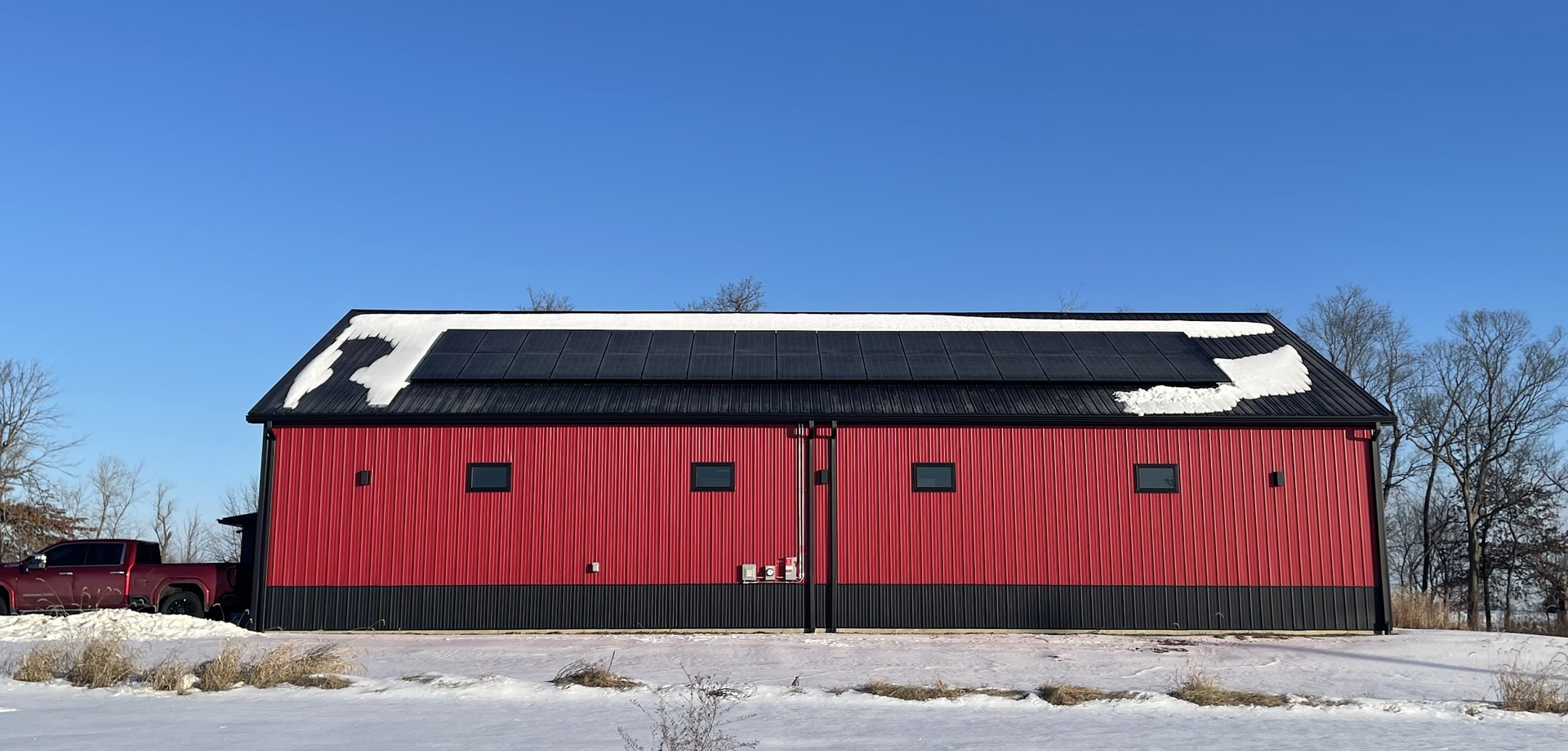
Beyond the Deadline: Why Solar's Lifetime Savings Still Can't Be Beat
The year 2025 closed with a furious, record-setting pace of solar installations across the United States. Developers and homeowners rushed to get their systems installed before the scheduled elimination of the popular federal residential solar tax credit.
That incredible surge in activity confirms a powerful truth: Solar energy is, and will remain, the single most impactful financial investment a homeowner can make.
Now that the deadline has passed and the tax credit is no longer available to new residential installations, is solar still worth it? Absolutely. The true financial case for solar was never about a temporary tax break; it has always been about the lifetime savings you gain by firing your utility company.
The Unstoppable Case for Solar: Why the Economics Still Win
While the elimination of the 30% federal tax credit has unfortunately increased the initial cost analysis of solar installations, the core value proposition of solar is stronger than ever.
1. Skyrocketing Utility Rates in the Midwest
The single greatest driver of solar's value is the unpredictable and relentless rise of electricity prices.
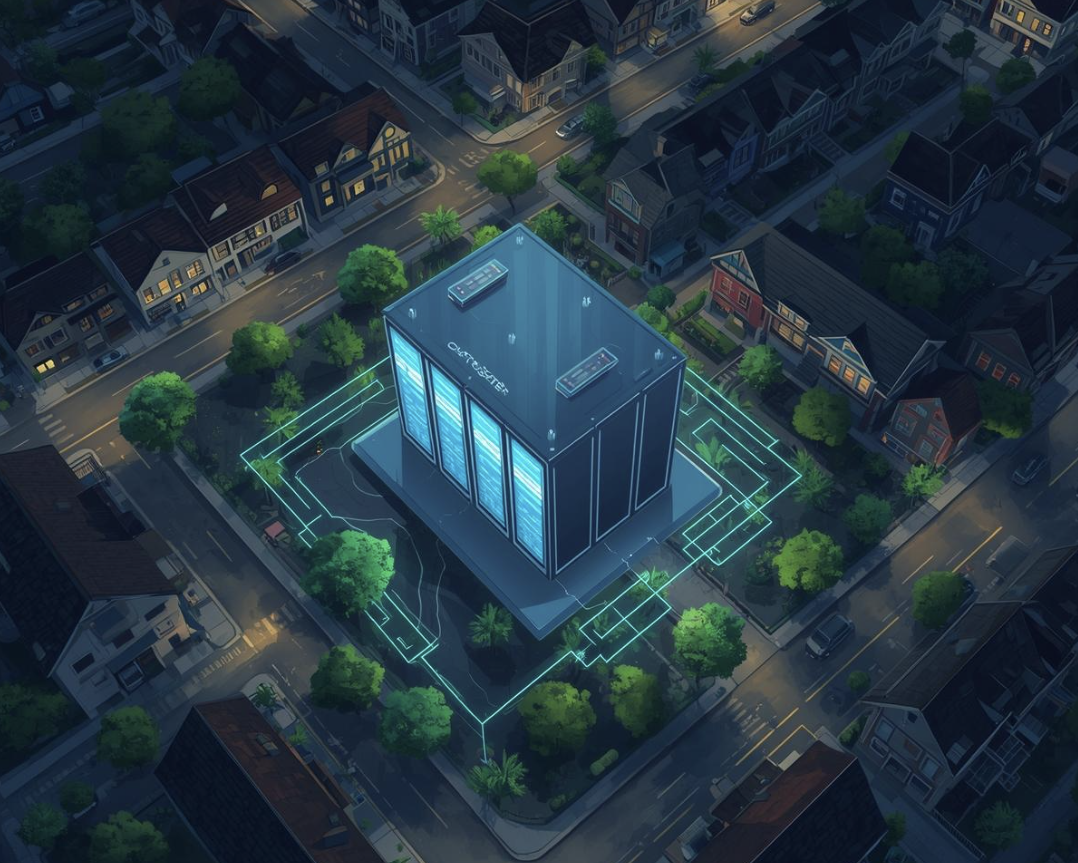
- Midwest Rate Shock: Reports show that electric bills in states like Illinois and Indiana saw double-digit percentage jumps in 2025 alone. Missouri rates are also steadily climbing. These increases are driven by rising demand (thanks to new AI data centers and EV adoption) and the need for utilities to update aging infrastructure.
- The Solar Hedge: Every kilowatt-hour you generate with your panels is one less you have to buy from the utility at these inflated and rising rates. Solar is the ultimate financial hedge, effectively locking in your energy costs for the next 25+ years. This permanent cost control is how to maximize savings with solar panels—savings that eclipse the one-time tax credit.
2. Lifetime Savings Eclipse Upfront Costs
Without the tax credit, the payback period for a system might be slightly longer (often shifting from ~7 years to 9–10 years), but the long-term ROI is undeniable.
- The Long Game: Over the 25-year lifespan of a high-quality system, homeowners still save tens of thousands of dollars on electricity bills—often $40,000 to over $100,000 depending on consumption.
- Best Solar Energy Solution: The savings accumulated over the system’s lifetime are far greater than the value of the expired tax credit. Solar remains the best solar energy solution for homeowners focused on building long-term wealth and security.
3. State Incentives and Smart Financing Fill the Gap
The solar market is adaptive. Even without the federal incentive, robust local programs and better financing options remain:
- State-Level Financial Power: Programs like the SREC (Solar Renewable Energy Credits) in Illinois offer a continued revenue stream for the clean power you produce, drastically improving the post-tax-credit residential solar panel prices and payback period. Missouri offers favorable net metering policies.
- Comparative Analysis of Financing Options: Financing options are evolving. While traditional loans that relied on the tax credit may change, solar loans and leases still allow homeowners to install a system for little or no money down. Our comparative analysis of financing options for solar systems can show you how to start saving money immediately, even with a slightly higher initial loan balance.
Security and Reliability: The Non-Monetary Benefits
Beyond the cost analysis of solar installations, solar provides critical security, especially in the Midwest:
- Energy Resilience: Pairing solar with battery storage protects your home from the growing threat of winter outages and grid instability. A battery ensures your heat, lights, and essential appliances stay on when the utility grid fails.
- Increased Home Value: Homes with solar systems consistently sell for a premium and often sell faster than comparable non-solar homes, increasing your overall net worth.
- Guaranteed Quality: A key element of the investment is the understanding solar warranties and guarantees. We provide industry-leading warranties on panels, inverters, and workmanship that transfer to the new owner, guaranteeing performance for decades. The benefits of going solar for businesses and commercial properties are equally compelling, leveraging a dedicated commercial tax credit and immediate operational savings.
SunSent Solar Referral Rewards: Share the Savings!
You don't need a tax credit to make solar a rewarding financial move. If you already know the value of SunSent Solar, share the love and get paid.
- New Customer Offer: Go solar with SunSent, and you’ll receive our premium service and a future of energy savings.
- Referral Program Double Down: Already a satisfied SunSent Solar customer? Refer a friend, family member, or neighbor who installs solar with us, and you will receive $1,000 Cash when their system is commissioned!
FAQ: Solar in the Post-Tax Credit Era
Q: Are solar systems too expensive now that the tax credit is gone?
A: No. While the cost analysis of solar installations shows the upfront cost is higher, the increasing savings from avoiding high utility rates ensure solar remains an excellent investment. On average, the payback period is still significantly shorter than the system’s 25-year lifespan.
Q: What are the main benefits for businesses to go solar now?
A: The benefits of going solar for businesses include significant reductions in high commercial utility rates, protection from demand charges, and access to the Commercial Solar Tax Credit (Section 48E), which is still active and provides substantial savings.
Q: Will SunSent Solar still help me with local incentives?
A: Absolutely. Our expertise is navigating the complex landscape of incentives. We help you capitalize on net metering, SREC programs, and any available local tax incentives for solar installation in Missouri and Illinois, maximizing how to maximize savings with solar panels for you.
Q: What is the most critical element of the solar system I should focus on?
A: The most critical elements are the quality of your equipment and the installation. You must have a strong understanding solar warranties and guarantees for both the panel performance and the installer's workmanship. High-quality panels may have higher residential solar panel prices, but they offer better performance and degradation rates, ensuring higher savings over the life of the system.
Ready to start generating your own power and escape rising utility bills?
Contact SunSent Solar today for a FREE, zero-pressure quote and comprehensive cost analysis. Let us show you the true lifetime value of going solar!