String vs. Microinverters: Choosing the Right "Brain" for Your Midwest Solar System
When you invest in a solar system, most of the focus is on the panels. But while panels are the "heart" of the system, the inverter is the "brain." Its job is simple but critical: converting the Direct Current (DC) electricity your panels produce into the Alternating Current (AC) electricity your home (and the Midwest grid) uses.
At SunSent Solar, we’ve seen a massive surge in installations this year as homeowners rush to secure their energy independence. A common question we get during our cost analysis of solar installations is: "Should I go with a string inverter or microinverters?"
As the Midwest’s experts in energy independence, we’re here to break down the technical jargon so you can make the best choice for your home and your wallet—especially as we head into the high-utility winter months.
1. String Inverters: The Reliable Classic
A string inverter is a single, centralized box usually installed on the side of your house or in your garage. All your solar panels are wired together in a "string" that feeds into this one unit.
- The Pros: String inverters are the most cost-effective option, often leading to lower residential solar panel prices. They are easy for technicians to service because they are located at ground level.
- The Cons: The "Christmas Light" effect. Because the panels are in a string, if one panel is shaded by a chimney or a stray Missouri oak tree, the performance of the entire string can drop to the level of that weakest panel.
- Best Fit: Large, simple roofs with a single orientation and zero shading issues.
2. Microinverters: The Modern Powerhouse
Microinverters (like the popular Enphase systems) are small units installed on the back of every single panel on your roof. The conversion from DC to AC happens right at the source.
- The Pros: Maximum efficiency. Each panel operates independently. If one panel gets covered in a light dusting of snow or is shaded, the rest of the system keeps pumping out power at 100% capacity. This is how to maximize savings with solar panels on complex roofs.
- The Cons: A higher upfront cost. In a cost analysis of solar installations, microinverters can add $1,500 to $3,000 to the total price, though they often pay for themselves through increased energy harvest.
- Best Fit: Roofs with multiple angles (East/West/South), potential shading, or homeowners who want to start small and expand their system later.
How Inverters Help You Save in the Midwest Winter
In the Midwest, winter brings two things: shorter days and higher heating bills. This is where your inverter choice matters most.
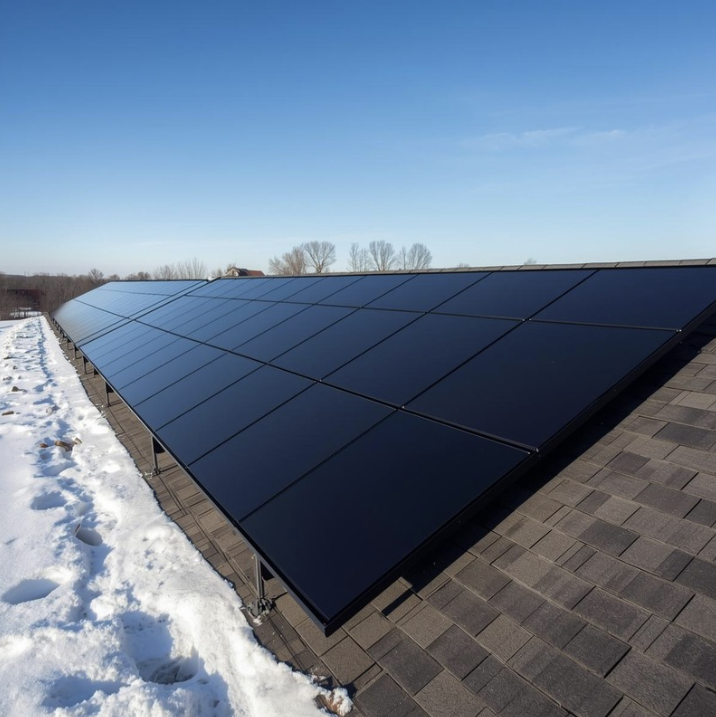
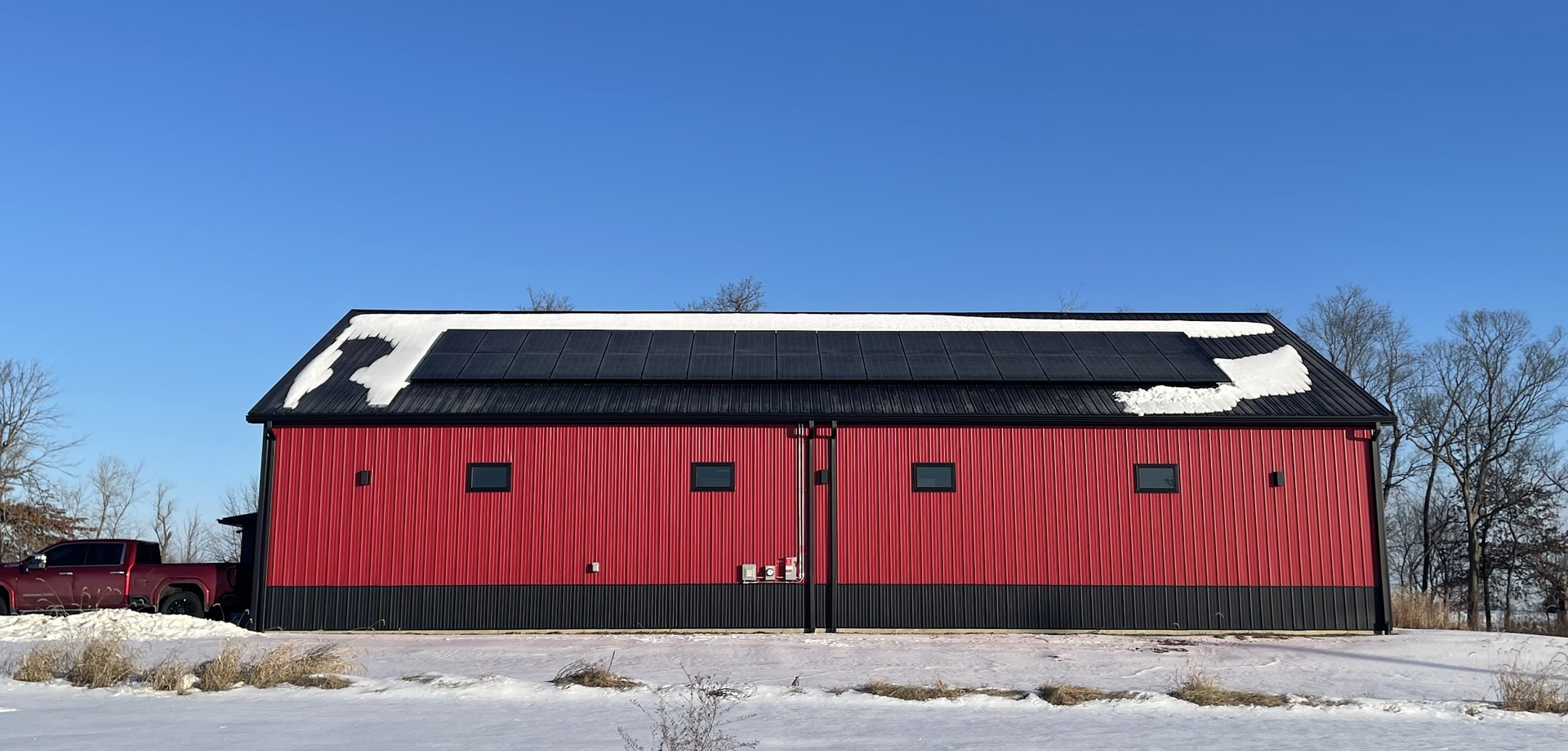
- Snow Management: Microinverters are superior in the winter. If snow slides off half of your array but lingers on the bottom row, a microinverter system ensures the top half is still generating maximum power. A string inverter might see that bottom-row blockage and throttle your entire system's output.
- Efficiency in the Cold: Solar panels actually perform better in cold temperatures, but only if your inverter can handle the specific voltage changes that happen when it's $20^\circ\text{F}$ outside. Both string and microinverters are designed for this, but microinverters allow for panel-level monitoring, so you can see exactly which panels are working hardest for you during the short winter days.
- Hedge Against Rate Hikes: With utility rates in Missouri and Illinois climbing, the "brain" of your system ensures you aren't wasting a single drop of sunlight. By maximizing your summer credits through net metering, you can offset those expensive winter heating bills.
The SunSent Expert Advantage
Choosing between these two isn't just about price; it's about the best solar energy solution for your specific roof. At SunSent Solar, we provide a comparative analysis of financing options for solar systems to show you how a slightly higher investment in microinverters might actually lead to a faster ROI.
We also pride ourselves on understanding solar warranties and guarantees. Microinverters typically come with a 25-year warranty (matching your panels), while string inverters usually carry 10–12 years. We’ll help you weigh the long-term maintenance costs against the upfront price.
FAQ: Solar Inverters & Efficiency
Q: Will microinverters make my solar system more expensive?
A: Initially, yes. Microinverters generally increase the residential solar panel prices because you are buying 20+ small inverters instead of one large one. However, because they produce 5–15% more energy over the life of the system, the long-term cost analysis of solar installations usually shows they are the better value for complex roofs.
Q: Can I use a battery with both types of inverters?
A: Yes! However, "Hybrid Inverters" are often the most efficient for battery storage. If you're looking for total energy independence during Midwest winter storms, we can design a system that integrates seamlessly with a backup battery.
Q: What happens if an inverter fails?
A: If a string inverter fails, your whole system goes dark until it's replaced. If one microinverter fails, only that one panel stops producing, while the rest of your home stays powered. This is a major benefit for going solar for businesses where downtime equals lost revenue.
Q: Does SunSent Solar provide warranties on inverters?
A: Absolutely. We only use Tier-1 equipment with robust manufacturer warranties. Part of our service is helping you with understanding solar warranties and guarantees, ensuring your "brain" is protected for its entire working life.
Wondering which "brain" is right for your home? Contact SunSent Solar today for a FREE, high-tech roof analysis. We’ll look at your shading, your roof angles, and your energy goals to tell you exactly which inverter will save you the most money!