Tips for Lowering Your Electric Bill This Winter
The Midwest winter brings freezing temperatures, short daylight hours, and inevitably, high utility bills. When your furnace kicks into overdrive, your electrical usage can skyrocket, turning your monthly statement into a painful surprise.
While solar power is the ultimate long-term solution for locking in your energy costs, there are many proactive steps you can take today to reduce your home’s winter power consumption.
Here at SunSent Solar, we believe in helping you save money now and in the future. Here are our top tips for shrinking your electric bill this winter, culminating in the best way to gain true energy independence.
Part 1: Quick Fixes & Habits for Immediate Savings
These simple changes require minimal investment and can significantly impact your monthly bill:
- Optimize Your Thermostat: The U.S. Department of Energy suggests you can save up to 10% on heating costs by simply turning your thermostat back 7°-10°F for eight hours a day (like when you are sleeping or out of the house). Set it to 68°F when you are home and awake—every degree above that adds 3% to 5% to your heating costs. A programmable or smart thermostat can manage this for you automatically.
- Harness the Sun (Passive Heat): Open all blinds and curtains on your south-facing windows during the day to let in free solar heat. As soon as the sun goes down, close them tightly to trap the heat inside and add an insulating layer against cold glass.
- Seal Air Leaks: Drafts around windows, doors, and electrical outlets can account for significant heat loss. Use inexpensive weatherstripping and caulk to seal these gaps. Don't forget to check the attic hatch and fireplace damper!
- Check Your Furnace Filter: A dirty air filter forces your heating system to work much harder, wasting energy. Change your filter monthly during peak winter use to ensure maximum efficiency.
- Use Ceiling Fans (Clockwise): Set your ceiling fans to spin clockwise on the lowest setting. This pulls cold air up and pushes warm air (which rises) down and around the room, circulating the heat your furnace has already generated.
- Insulate Your Water Heater: Heating water is the second-largest energy expense after heating your home. If your water heater is older or in an unconditioned space (like a basement), wrapping it in an insulation blanket can reduce standby heat loss by 25% to 45%. Set the temperature to 120°F to save 6% to 10% on energy costs.
Part 2: The Ultimate Winter Savings Solution—Solar
While the tips above address symptoms, a properly sized residential solar energy system effectively zeroes out the single largest source of your high winter bill: the cost of the electricity itself.
1. Generating Power Even in the Cold
A common misconception is that solar panels don't work in the winter. In reality:
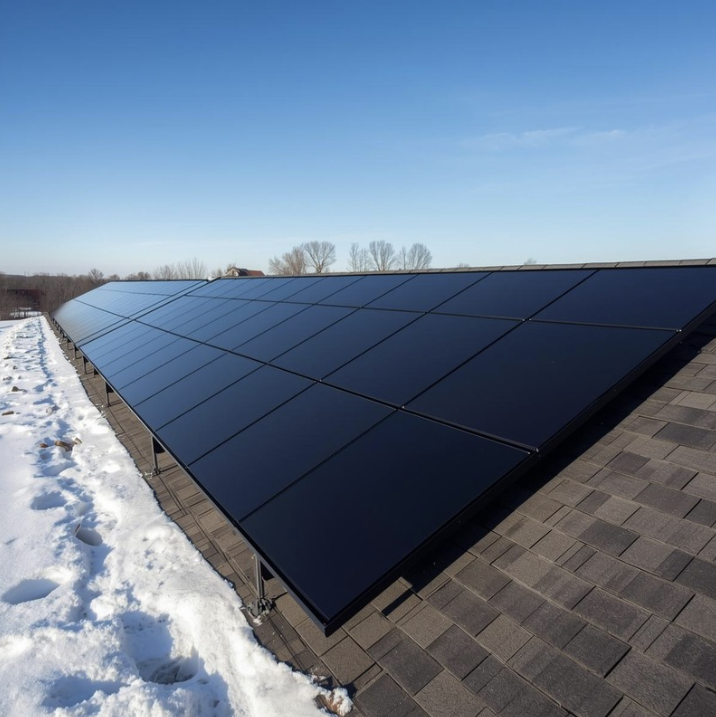
- They Love Cold: Solar panels are actually more efficient in colder temperatures. The photovoltaic (PV) technology converts sunlight to electricity more efficiently in cool weather than in intense heat.
- Snow Shedding: While snow accumulation temporarily stops production, the dark color and tilt of the panels often cause snow to shed quickly once the sun reappears. Furthermore, your total annual production is calculated over 12 months, meaning the high output in summer often covers the lower production months of winter.
2. Protection Against Winter Outages with Battery Backup
In the Midwest, winter storms and extreme cold often lead to rolling blackouts or unexpected power outages, which are more than just an inconvenience—they can be a safety hazard, leaving you without heat, light, or communication.
This is where a solar panel battery installation cost becomes the best investment in home resilience:
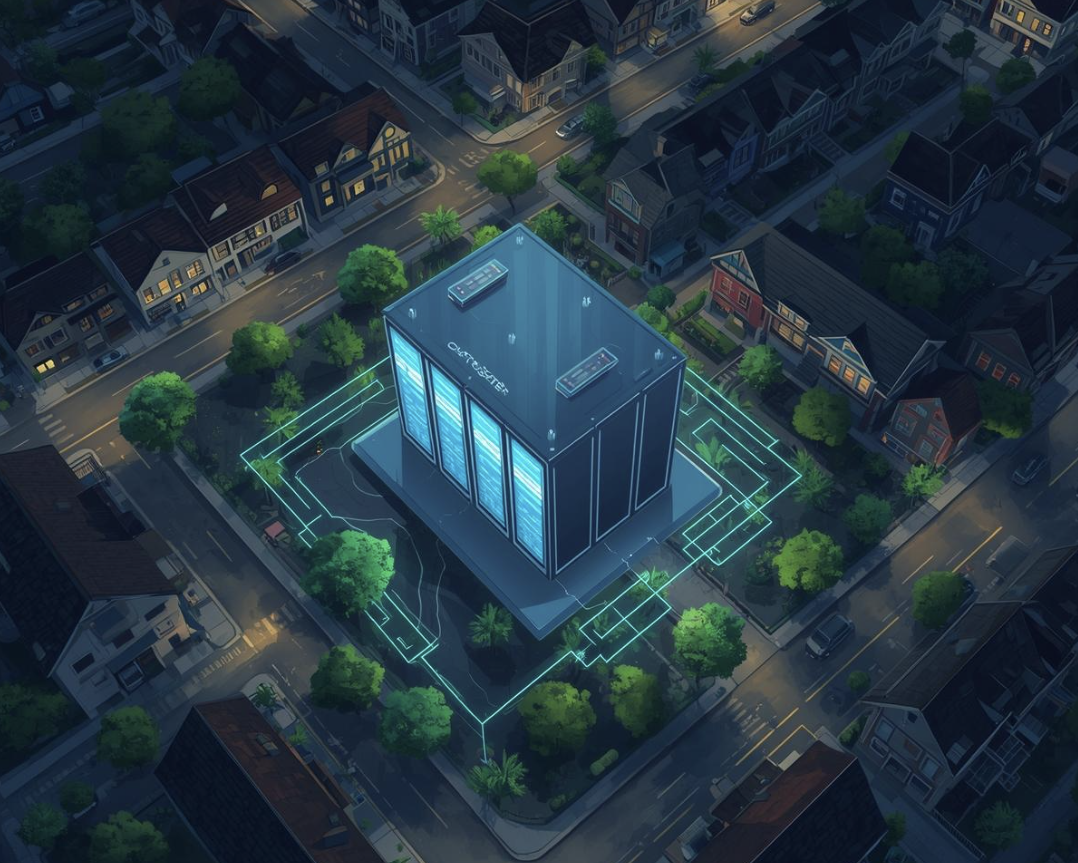
- Continuous Power: When the grid goes down, a solar system without a battery shuts off for safety. But a battery system (often paired with specialized solar inverters) automatically disconnects from the grid and starts powering your essential circuits instantly.
- Winter Peace of Mind: The battery stores the energy generated by your panels during the day, even a cloudy one. When the grid fails, that stored power keeps your furnace fan running, your refrigerator cold, and your critical devices charged, ensuring your family stays safe and warm until the power is restored.
- Energy Management: A modern solar system design with battery storage allows for sophisticated solar monitoring. This lets you track your energy use and backup capacity in real-time, giving you total control over your home’s power flow, especially when grid reliability is uncertain.
If you are looking for solar panel programs or solar panel deals that deliver long-term savings and year-round energy security, the combination of solar panels and battery storage is the definitive answer.
FAQ: Solar and Winter Performance
Q: Do solar panels stop working when it’s freezing outside?
A: No. Solar panels do not rely on heat; they rely on sunlight. Since the PV material is more efficient in cold temperatures, they can generate excellent power, provided the panels are not completely covered by snow.
Q: Will my solar system produce enough power during winter?
A: Winter production is lower due to shorter days, but your system is designed based on your annual usage. Net metering (available in Missouri and Illinois) ensures that the surplus power you produce in long summer days is banked as credit, which offsets your higher consumption from the grid during winter. This is how a residential solar panel systems cost investment pays off year-round.
Q: How much does a solar battery cost to install?
A: The solar panel battery installation cost for a single residential battery unit typically ranges from $10,000 to $15,000 installed, depending on the brand, capacity, and complexity of the wiring and solar inverters. This investment provides critical backup power and enhances the value of your entire residential solar panel system cost.
Q: What is the average residential solar panel cost in the Midwest?
A: The total residential solar panel cost depends entirely on the system size needed for your home's usage. Typically, prices in the Midwest average between $2.40 and $3.20 per watt before any incentives, making a high-quality system accessible and offering rapid financial returns.
Ready to stop dreading your winter electric bill?
SunSent Solar is the Midwest's expert in cutting-edge solar system design and battery integration. We'll show you how to gain control over your energy costs and secure your home against winter outages.
Contact SunSent Solar today for a FREE, custom quote on your residential solar energy system cost!