The Ultimate Guide to Residential Solar Panel Installation: Everything You Need to Know

Michael W • August 26, 2024

Switching to solar energy is not just a trend; it's a smart investment that offers substantial long-term benefits. As more homeowners seek sustainable solutions to reduce their carbon footprint and energy bills, residential solar panel installation has become a key focus.


Here, the team of residential solar panel installation experts from SunSent Solar has provided a comprehensive guide that covers all you need to know about going solar.


How Do Home Solar Panels Work?


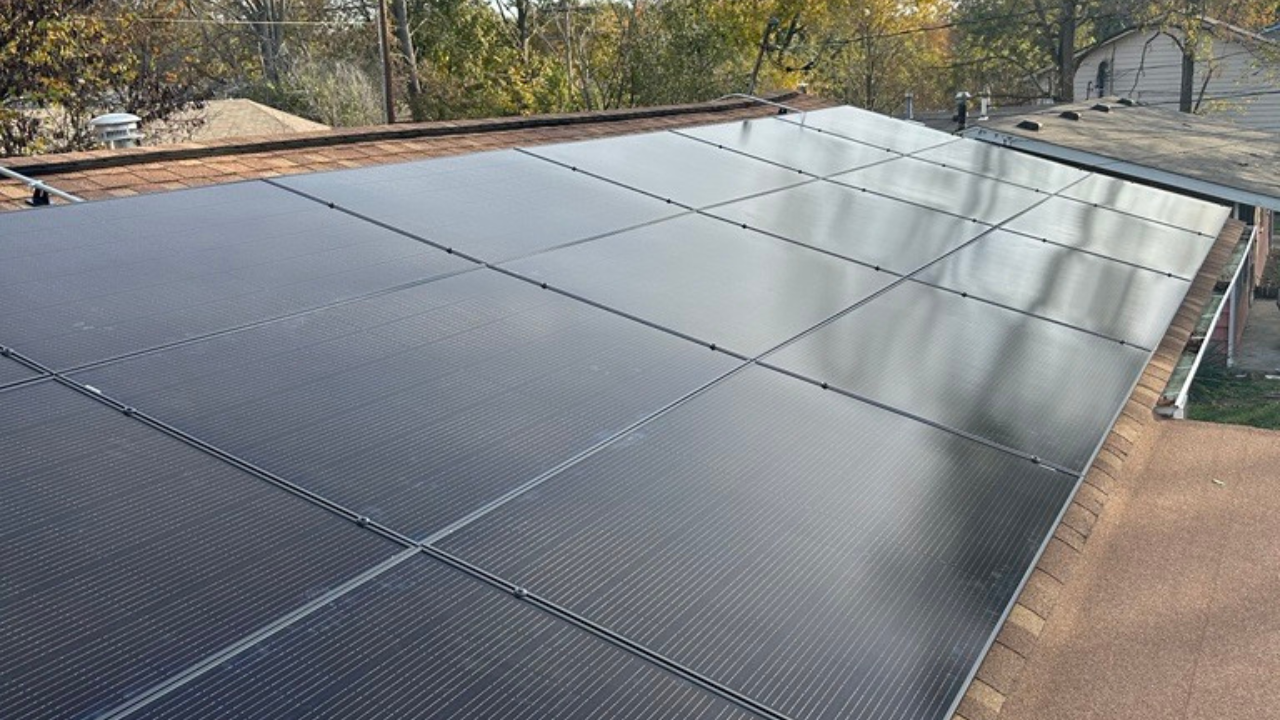
When sunlight hits the silicon cells in solar panels, it excites electrons, creating an electric current. This direct current (DC) flows through an inverter, which converts it into alternating current (AC)—the type of electricity that powers your home and appliance. The electricity generated by your solar panels can be used immediately, stored in a battery, or fed back into the grid, depending on your system setup.


Things to Consider Before Getting Solar Panels for Your Home


Before diving into solar panel installation, it's important to be aware of some of the benefits:


· Electric Bill Reduction: Solar panels can drastically reduce your electricity bills. Depending on your energy usage and the size of your solar system, you could eliminate your electricity costs entirely.


· Protection Against Rising Energy Costs: With solar panels, you are protected from future increases in electricity prices, providing you with long-term financial security.


·  Renewable Energy Source: Solar energy is a clean, renewable resource that reduces your reliance on fossil fuels and decreases your carbon footprint.


·  Low Maintenance Costs: Once installed, solar panels typically do not require any maintenance. Checking the provided monitoring app on occasion will quickly identify any issues that would require attention. In most cases, this is covered entirely under warranty.


Home Solar Costs & Savings


On average, a fully installed 6-kilowatt (kW) solar panel system costs less than $12,000 after incentives or rebates are applied. This system size is typical for an average household, producing enough electricity to offset a significant portion of a home's energy consumption. However, over time, solar panels can provide substantial savings. With the average homeowner saving approximately $1,500 annually on energy bills.


It’s important to note that solar panel costs and savings vary depending on several factors, including your location, energy usage, and the specific solar installer you choose.


How to Pay for Home Solar Panels


While the upfront cost of solar panels can be high, there are several financing options available to make the investment more manageable:


· Solar Loans: Solar loans are a popular financing option that allows you to pay for your system over time while retaining ownership. Although interest and dealer fees can reduce long-term savings, solar loans still offer a good return on investment.


· Cash Purchase: Paying for your solar panels upfront provides the highest long-term savings and allows you to benefit fully from tax incentives and rebates. However, this option requires a significant initial outlay.


· Third Party Ownership: This is done in the form of either a lease or Power Purchase Agreement. In this method of going solar an investment company owns the system and takes on all the responsibility of its performance. This option gets you a lower monthly payment compared to your electric company from day one with no loan or cash required upfront.


· The Solar Tax Credit: The solar tax credit is available for homeowners and is a great way to offset residential solar panel installation costs, providing up to 30% off of the initial installation cost.


Is Your Roof Suitable for Solar?


One of the first steps in determining if solar is right for your home is assessing whether your roof is suitable for solar panels. The ideal roof for solar installation is south-facing with minimal shading and sufficient space to accommodate the number of panels needed to meet your energy needs. Additionally, the age and condition of your roof are important factors. East and West slopes are also good options for solar panels. In a rare occasion, a north roof slope can be used. 


What is Your Energy Usage?


Understanding your home’s energy consumption is key to determining whether solar panels are a good investment. If you have high electricity bills, solar panels can offer significant savings by offsetting a large portion of your energy usage.


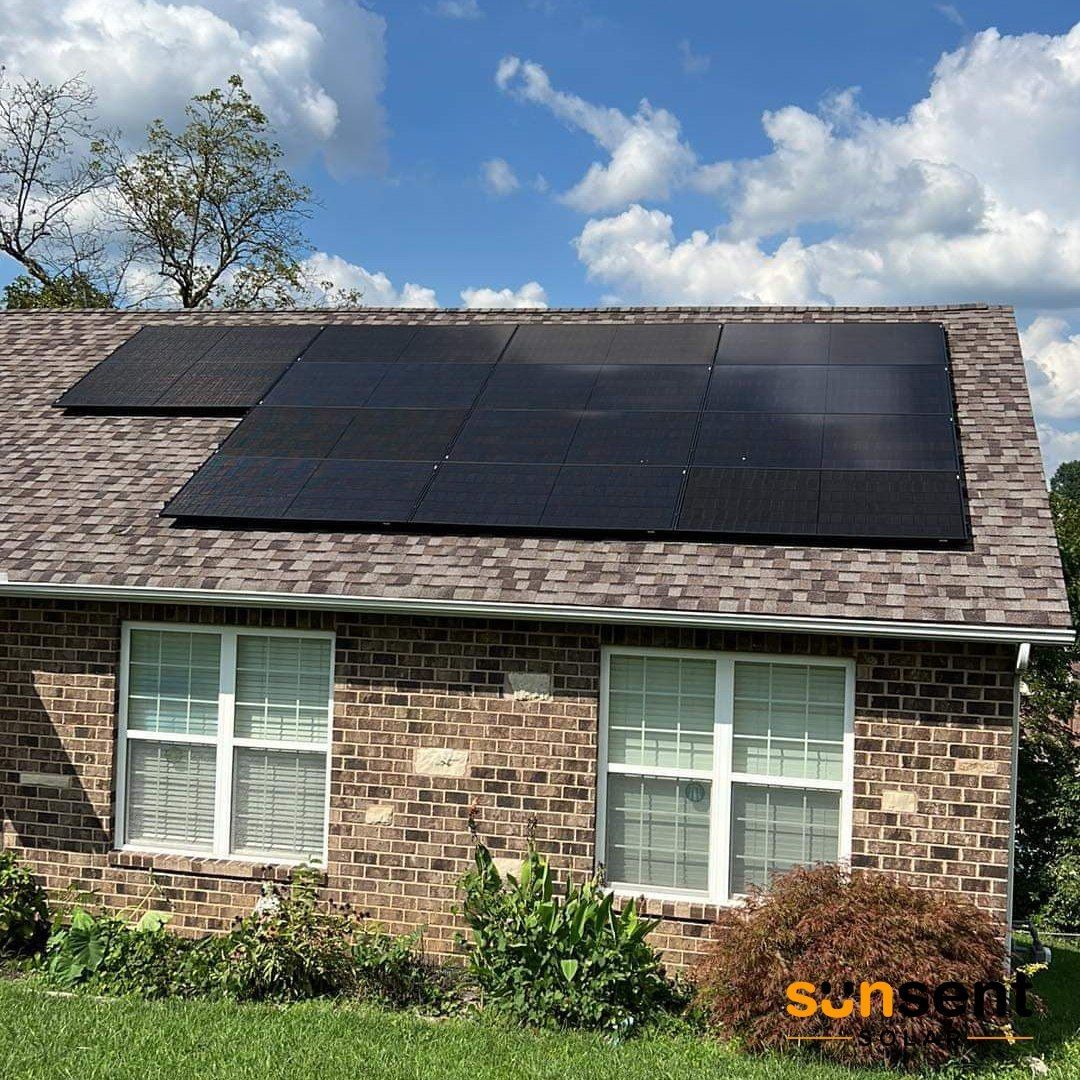
To determine the size of the solar system you need, start by reviewing your past energy bills to calculate your average monthly and annual electricity usage. The more energy you use, the larger the system you’ll need. Most residential solar systems use between 17 and 25 panels, but the exact number depends on your energy needs, the efficiency of the panels, and the amount of sunlight your home receives.


What to Expect from Residential Solar Panel Installation


The process of installing solar panels involves several steps and can take between two and six months to complete, depending on permitting, inspections, and utility approvals.


Here’s what you can expect:


1. Consultation & Site Assessment: Your solar installer will evaluate your home to determine the best placement for your panels and provide a detailed proposal outlining system size, costs, and expected savings.


2. Design & Permitting: Once you agree to move forward, your installer will design your solar system and submit the necessary permits to your local government.


3. Installation: The actual installation of solar panels typically takes one to three days, depending on the complexity of your system.


4. Inspection & Activation: After installation, your system will be inspected by the local government and your utility company to ensure it meets all regulations. Once approved, your system will be connected to the grid, and you can start generating solar power.


How to Find the Right Solar Company


Choosing the right solar installer is crucial to the success of your solar project. A reputable installer will not only ensure your system is installed correctly but will also be there to support you for years to come.


When selecting a solar company, consider the following:


· Experience & Expertise: Look for installers with a proven track record and positive customer reviews. Experience matters when it comes to designing and installing solar systems that perform well over the long term.


· Certifications & Licensing: Make sure your installer is licensed, bonded, and certified by recognized industry organizations like the North American Board of Certified Energy Practitioners (NABCEP).


· Warranty & Support: A good installer will offer comprehensive warranties on both the equipment and the installation. They should also provide ongoing support and maintenance services


Contact us for residential solar panel installation!


If you want to learn more about moving toward energy independence, SunSent Solar can assist. Contact us today by calling (636) 757-3083 to learn more. 
By Jack Casey December 11, 2025
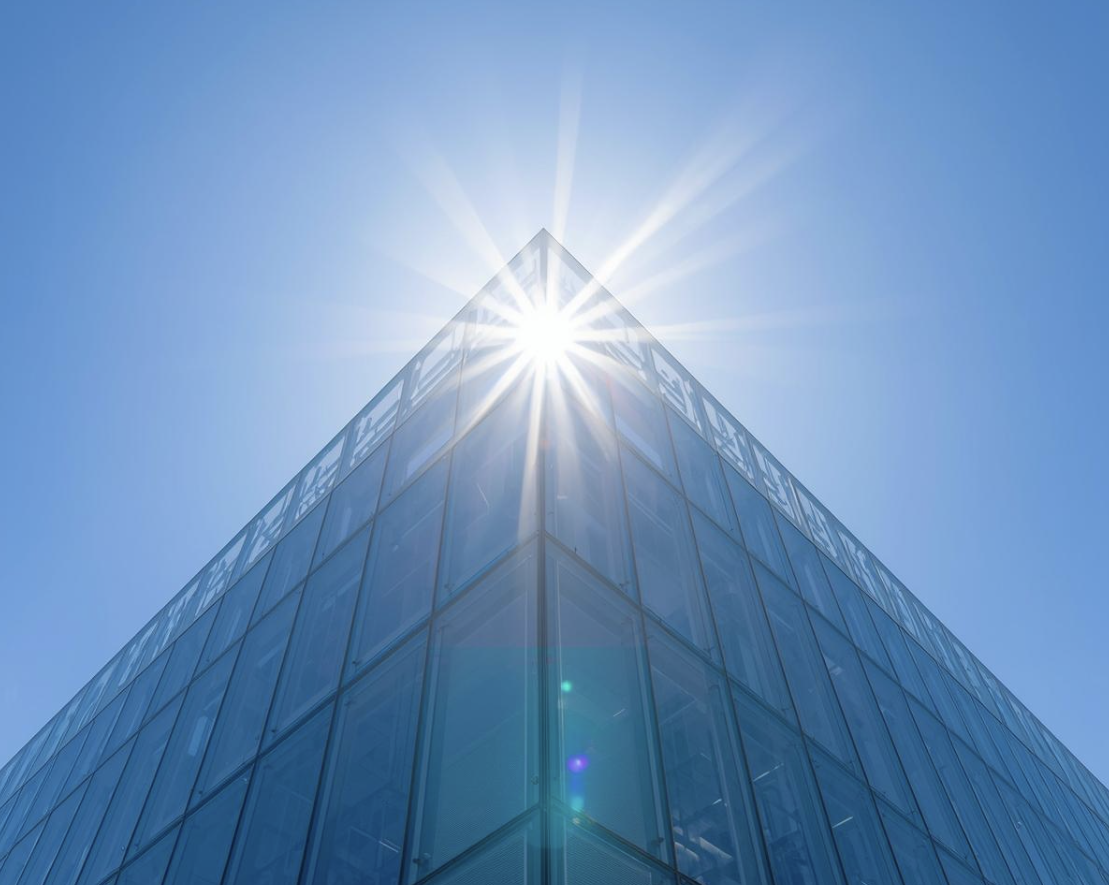
At SunSent Solar , we don’t just install panels; we study the cutting edge of global energy. While the Midwest market has traditionally relied on silicon-based panels, a new breakthrough from Sweden is making waves in the world of Building-Integrated Photovoltaics (BIPV) . Imagine a roof that isn't just a platform for solar panels, but is actually made of high-durability glass tiles that produce up to 400 kW of energy while heating your home's water simultaneously. This is the reality of the Soltech RooF system and the phenomenon known as “hydraulic heat capture.” Beyond Silicon and Perovskite: The Glass Revolution For years, the solar industry has debated between traditional silicon cells (reliable but bulky) and perovskite cells (highly efficient but often chemically unstable in real-world weather). Glass solar tiles offer a third way that solves the "aesthetic vs. efficiency" dilemma. What is Hydraulic Heat Capture? Unlike standard panels that only convert light into electricity, these glass solar systems capture the thermal energy that usually goes to waste. The Process: Transparent glass tiles are laid over a specialized black nylon canvas. Behind this canvas are air slots and fluid-filled absorbers. The Result: The black canvas absorbs the sun's heat, warming the air or fluid behind it. This heat is then "captured" and routed into your home’s existing heating system or an accumulation tank. The "Double Crop": You get clean electricity from the integrated PV cells and free hot water/home heating from the thermal capture. In a cost analysis of solar installations , this double-duty technology significantly accelerates your ROI. Why Advanced Solar Technology is the Expert's Choice As the Midwest's premier solar team, we look at best solar energy solutions for homeowners through the lens of long-term performance. Advanced systems like glass solar tiles or high-efficiency N-type silicon modules are proving that solar is no longer just a "utility" but a high-end architectural feature. The Benefits of Advanced Integration: Extreme Durability: These glass tiles are designed to withstand the harshest Nordic winters—meaning they can handle Midwest hail and sleet with ease. Maximized Surface Area: Because the tiles are the roof, you can install them closer to edges and corners, maximizing solar absorption in ways traditional racks cannot. Efficiency That Lowers Your Carbon Footprint: By replacing traditional roofing materials with power-generating glass, you eliminate the carbon footprint of manufacturing clay or asphalt shingles while gaining decades of clean energy. Aesthetic Value: For many, the residential solar panel prices are worth it when the system is invisible to the naked eye, appearing as a sleek, modern glass roof rather than an "add-on" attachment. SunSent Solar: Your Guides to the Solar Frontier While glass tiles are a glimpse into the future, SunSent Solar is here to help you navigate the technologies available today that deliver the best lifetime savings . Whether you’re interested in the latest BIPV solutions or high-output residential panels, we provide a comparative analysis of financing options for solar systems to ensure your leap into the future is affordable. We stay on top of global trends like hydraulic heat capture so we can bring the most efficient, durable, and cost-effective systems to your Midwest home. When you work with us, you aren't just getting an installer; you're getting a partner who understands the deep science of how to maximize savings with solar panels . FAQ: Solar Innovations and Your Home Q: Are glass solar tiles available for my home in the Midwest? A: Technologies like Soltech are rapidly expanding, though currently, they are most common in European markets. However, high-end BIPV solutions like GAF Timberline Solar and Tesla Solar Roof are already available in the U.S. and offer similar integrated aesthetics. We can help you determine the availability and cost analysis of solar installations for these specific systems in your area. Q: Is glass as durable as traditional roofing? A: Yes! In many cases, it’s more durable. Modern solar glass is tempered and engineered to withstand Class 4 hail (the highest rating) and winds up to 130 mph. Our understanding solar warranties and guarantees ensures your high-tech roof is protected for 25+ years. Q: Do integrated solar tiles work in the Midwest winter? A: Absolutely. In fact, systems using hydraulic heat capture or thermal absorption are built for the cold. They utilize the sun's heat to keep the roof surface clear of snow and provide supplemental warmth for your home's water system during the chilly months. Q: Why should I choose advanced solar over traditional silicon panels? A: It comes down to your priorities. If you need a new roof anyway, the comprehensive benefits of bundled solar and roofing services make BIPV systems very attractive. If your goal is the absolute lowest residential solar panel prices with the fastest payback, traditional high-efficiency silicon panels are often still the winner. Q: How can I tell if these new technologies are right for my house? A: That’s where we come in! Every roof is unique. Factors like orientation, shading, and structural integrity play a massive role. We use professional solar energy design software to show you exactly how a system will perform on your specific property. Contact SunSent Solar today to schedule a consultation. Whether you want the latest in solar innovation or the most reliable classic systems, we’ll help you decide if solar is the right fit for your future!
By Jack Casey December 10, 2025
As a Midwest Roofing Contractor , we know the change of seasons is less of a gentle slide and more of a head-on collision. One day you’re enjoying a crisp fall afternoon, and the next, you’re bracing for freezing rain, blustery winds, and the relentless cycle of freeze-thaw that defines our winters in Missouri and Illinois.  Your roof is the single most important defense your home has against these harsh elements. Every wind gust, every sheet of ice, and every pile of heavy, wet snow tests its integrity. A minor issue that seemed harmless in October can quickly become a costly, catastrophic leak by January. At SunSent Roofing , we are committed to helping you protect your investment. Below is a detailed guide to winterizing your entire home exterior—your roof, gutters, and siding—to ensure you survive the Midwest winter gauntlet without irreversible damage. Part 1: The Roof—Protecting Your Primary Defense Winter weather is merciless on roofing materials. The constant fluctuation of temperature—freezing overnight and thawing during the day—stresses every component of your roofing system. 1. Look for Pre-Existing Damage (The Magnifying Effect) Cold weather doesn't create many problems, but it dramatically worsens existing ones. Walk your property and inspect your roof from the ground (safely, using binoculars if necessary) for these common pre-winter vulnerabilities: Missing or Damaged Shingles: Look for curled, cracked, or completely missing shingles. These are direct entry points for water, and wind in a winter storm can quickly tear them further, exposing your underlayment and decking. Granule Loss: If you see large amounts of asphalt granules (which look like coarse black sand) in your gutters or washing onto the ground, it indicates your shingles are aging and losing their protective layer. Compromised Flashing: Check the seals around all roof penetrations—chimneys, vents, skylights, and valleys where two roof planes meet. Loosened, rusted, or poorly sealed flashing is the number one cause of leaks in winter. 2. Mastering Insulation and Ventilation (The Ice Dam Battle) The most destructive winter phenomenon is the Ice Dam . This ridge of ice forms at the edge of your roof, preventing melting snow from draining. The trapped water then backs up under your shingles and into your attic, causing severe damage to the decking, insulation, and interior ceilings. Ice dams are not caused by the weather outside; they are caused by heat escaping from the inside. Insulation: Ensure your attic has adequate insulation (often R-38 or higher in the Midwest). This prevents heat from your living space from rising and warming the roof deck. Ventilation: Proper attic ventilation (using soffit and ridge vents) allows cold, outside air to circulate, keeping the underside of your roof deck cold and consistent with the exterior temperature. This prevents snow from melting in the first place, stopping the freeze-thaw cycle that creates dams. 3. Snow Load: When Weight Becomes a Threat While modern roofs are engineered to handle typical snow loads, an older roof, or one already weakened by a leak or rot, is vulnerable. Wet, heavy snow can put immense stress on structural components. If you notice sagging, hear cracking sounds from the attic, or accumulate multiple feet of wet snow, it’s a red flag. While DIY snow removal is highly risky, a professional roof rake can sometimes be used safely from the ground to clear the first few feet above the eaves. Part 2: Gutters and Siding—Your Secondary Water Management System Your roof works in tandem with your gutters and siding to manage the immense amounts of water and moisture inherent to a Midwest winter. If these systems fail, your roof and foundation are next. 1. Gutters: The Winter Choke Point Clogged gutters are the number one preventable cause of winter water damage. Leaves, shingle granules, and debris trapped in the gutter trough will freeze solid. Clean and Clear: Before the first hard frost, meticulously clear all debris from your gutters and downspouts. Ensure the downspouts are securely attached and direct water at least three to five feet away from your foundation. Inspect and Repair: Check your gutters for sagging, rust, or loose fasteners. The weight of ice and snow can tear a weak gutter right off your home, damaging your fascia board in the process. 2. Siding: Sealing Out the Cold and Moisture Your home's siding provides a critical weather barrier. Cold, driving winds will find any small gap or crack to push cold air and moisture into your wall cavity. Inspect and Caulk: Walk the perimeter of your home and inspect your siding. Look for cracks, gaps around window and door frames, and loose panels. Use a high-quality, exterior-grade sealant or caulk to fill these tiny, energy-wasting and moisture-attracting gaps. Trim Landscaping: Cut back any tree branches that are close enough to scrape against your siding in high winds, or that could break off under the weight of ice and fall onto your roof or siding. The SunSent Roofing Difference: Honesty, Integrity, and Safety The truth about winter roof maintenance is that while a homeowner can perform a visual check from the ground, many of the most serious problems—deteriorated decking, loose nail pops, and subtle flashing failures—are only visible up close. We are not here to sell you a roof you don't need. At SunSent Roofing , we pride ourselves on being honest contractors who tell it how it is . Our certified inspection team will perform a detailed, safe assessment of your entire roofing system, including: Shingle Integrity Check: Identifying any brittle, cracked, or missing tabs. Flashing & Penetration Seal Check: Ensuring all vulnerable entry points are watertight. Attic Inspection: Assessing insulation levels, ventilation airflow, and checking for signs of past leaks (water stains, mold). Gutter and Drainage Assessment: Confirming proper water management paths. Don't wait until the first major snowstorm is upon us to discover a critical flaw. A proactive inspection now is the best way to avoid the emergency repair nightmare of a mid-winter leak. Contact SunSent Roofing today for a no-obligation Winter Readiness Inspection . We'll give you a straight, honest assessment of your home's preparedness so you can rest easy all winter long.
By Jack Casey December 9, 2025
The year 2025 closed with a furious, record-setting pace of solar installations across the United States. Developers and homeowners rushed to get their systems installed before the scheduled elimination of the popular federal residential solar tax credit. That incredible surge in activity confirms a powerful truth: Solar energy is, and will remain, the single most impactful financial investment a homeowner can make. Now that the deadline has passed and the tax credit is no longer available to new residential installations, is solar still worth it? Absolutely. The true financial case for solar was never about a temporary tax break; it has always been about the lifetime savings you gain by firing your utility company. The Unstoppable Case for Solar: Why the Economics Still Win While the elimination of the 30% federal tax credit has unfortunately increased the initial cost analysis of solar installations , the core value proposition of solar is stronger than ever. 1. Skyrocketing Utility Rates in the Midwest The single greatest driver of solar's value is the unpredictable and relentless rise of electricity prices. Midwest Rate Shock: Reports show that electric bills in states like Illinois and Indiana saw double-digit percentage jumps in 2025 alone. Missouri rates are also steadily climbing. These increases are driven by rising demand (thanks to new AI data centers and EV adoption) and the need for utilities to update aging infrastructure. The Solar Hedge: Every kilowatt-hour you generate with your panels is one less you have to buy from the utility at these inflated and rising rates. Solar is the ultimate financial hedge, effectively locking in your energy costs for the next 25+ years. This permanent cost control is how to maximize savings with solar panels —savings that eclipse the one-time tax credit. 2. Lifetime Savings Eclipse Upfront Costs Without the tax credit, the payback period for a system might be slightly longer (often shifting from ~7 years to 9–10 years), but the long-term ROI is undeniable. The Long Game: Over the 25-year lifespan of a high-quality system, homeowners still save tens of thousands of dollars on electricity bills—often $40,000 to over $100,000 depending on consumption. Best Solar Energy Solution: The savings accumulated over the system’s lifetime are far greater than the value of the expired tax credit. Solar remains the best solar energy solution for homeowners focused on building long-term wealth and security. 3. State Incentives and Smart Financing Fill the Gap The solar market is adaptive. Even without the federal incentive, robust local programs and better financing options remain: State-Level Financial Power: Programs like the SREC (Solar Renewable Energy Credits) in Illinois offer a continued revenue stream for the clean power you produce, drastically improving the post-tax-credit residential solar panel prices and payback period. Missouri offers favorable net metering policies. Comparative Analysis of Financing Options: Financing options are evolving. While traditional loans that relied on the tax credit may change, solar loans and leases still allow homeowners to install a system for little or no money down. Our comparative analysis of financing options for solar systems can show you how to start saving money immediately, even with a slightly higher initial loan balance. Security and Reliability: The Non-Monetary Benefits Beyond the cost analysis of solar installations , solar provides critical security, especially in the Midwest: Energy Resilience: Pairing solar with battery storage protects your home from the growing threat of winter outages and grid instability. A battery ensures your heat, lights, and essential appliances stay on when the utility grid fails. Increased Home Value: Homes with solar systems consistently sell for a premium and often sell faster than comparable non-solar homes, increasing your overall net worth. Guaranteed Quality: A key element of the investment is the understanding solar warranties and guarantees . We provide industry-leading warranties on panels, inverters, and workmanship that transfer to the new owner, guaranteeing performance for decades. The benefits of going solar for businesses and commercial properties are equally compelling, leveraging a dedicated commercial tax credit and immediate operational savings. SunSent Solar Referral Rewards: Share the Savings! You don't need a tax credit to make solar a rewarding financial move. If you already know the value of SunSent Solar, share the love and get paid. New Customer Offer: Go solar with SunSent, and you’ll receive our premium service and a future of energy savings. Referral Program Double Down: Already a satisfied SunSent Solar customer? Refer a friend, family member, or neighbor who installs solar with us, and you will receive $1,000 Cash when their system is commissioned! FAQ: Solar in the Post-Tax Credit Era Q: Are solar systems too expensive now that the tax credit is gone? A: No. While the cost analysis of solar installations shows the upfront cost is higher, the increasing savings from avoiding high utility rates ensure solar remains an excellent investment. On average, the payback period is still significantly shorter than the system’s 25-year lifespan. Q: What are the main benefits for businesses to go solar now? A: The benefits of going solar for businesses include significant reductions in high commercial utility rates, protection from demand charges, and access to the Commercial Solar Tax Credit (Section 48E), which is still active and provides substantial savings. Q: Will SunSent Solar still help me with local incentives? A: Absolutely. Our expertise is navigating the complex landscape of incentives. We help you capitalize on net metering, SREC programs, and any available local tax incentives for solar installation in Missouri and Illinois, maximizing how to maximize savings with solar panels for you. Q: What is the most critical element of the solar system I should focus on? A: The most critical elements are the quality of your equipment and the installation. You must have a strong understanding solar warranties and guarantees for both the panel performance and the installer's workmanship. High-quality panels may have higher residential solar panel prices , but they offer better performance and degradation rates, ensuring higher savings over the life of the system. Ready to start generating your own power and escape rising utility bills? Contact SunSent Solar today for a FREE, zero-pressure quote and comprehensive cost analysis. Let us show you the true lifetime value of going solar!
By Jack Casey December 3, 2025
The headlines are clear: Solar energy is now the most impactful and affordable source of electricity in human history. The latest proof? Vatican City, one of the smallest and most historic sovereign states, has achieved the remarkable feat of being powered 100 percent by solar energy . But it's not the monumental architecture of St. Peter's Basilica that's covered in panels—it’s the innovative use of agrivoltaics in nearby fields. This news highlights a core truth about solar power: it is a flexible, dual-purpose investment that optimizes land and generates guaranteed returns. This same principle of optimization and undeniable return is why solar is the best solar energy solution for homeowners and businesses across the Midwest. The Global Blueprint: Why Solar is the Ultimate Win-Win The Vatican’s success hinged on the concept of agrivoltaics—combining agriculture with solar photovoltaic technology on the same land. This is a brilliant strategy for several reasons: Microclimate Creation: The solar panels create a beneficial microclimate underneath, which conserves water, protects crops from harsh sun and hail, and keeps temperatures cooler. The result? Increased crop yields and clean electricity. Dual Revenue Stream: Farmers get income from both their crops and the solar generation, cementing the benefits of going solar for businesses and landowners alike. Massive Potential: As the Vatican demonstrated, very little land is actually needed to power entire regions. Less than 1% of Canada's farmland, for example, could power its entire grid using this method. This commitment to smart, efficient power generation is the global trend. The cost analysis of solar installations has made the technology the cheapest source of bulk electricity, making the switch an economic imperative for everyone, from world governments to Midwest homeowners. Solar Savings: The Best Investment for Midwest Homeowners While you likely won't be growing Riesling grapes under your panels in St. Charles, Missouri, the core benefits of solar—savings, resilience, and predictability—apply directly to your home. 1. Drastically Maximize Savings and Predictable Bills For Midwest families, utility bills fluctuate wildly. During the summer, AC usage spikes. In the winter, heating costs soar. Financial Security: Installing a custom solar array eliminates the volatility of rising utility rates. Homeowners can save hundreds, or even thousands, annually on their electricity bills. Winter Efficiency: Contrary to popular belief, solar panels are actually more efficient in colder temperatures because the PV material converts sunlight better without extreme heat. With net metering programs in Missouri and Illinois, the surplus energy you generate in the long summer days is credited, helping offset your reliance on the grid during short winter months. Maximizing Returns: We provide a comprehensive cost analysis of solar installations tailored to your home, demonstrating exactly how to maximize savings with solar panels and achieve a rapid Return on Investment (ROI). 2. Local Incentives That Make Solar Highly Affordable The true cost analysis of solar installations must factor in state and local incentives that drastically reduce your upfront cost. Missouri Incentives: Homeowners benefit from property tax exemptions (solar systems are not assessed for increased property tax value) and utility net metering programs that provide credits for excess energy sent back to the grid. Illinois Incentives (The Gold Standard): Illinois residents have access to powerful Solar Renewable Energy Credits (SRECs) through the "Illinois Shines" program, which provides performance-based payments for the clean energy your system generates. This revenue stream often makes the cost analysis of solar installations in Illinois among the best in the country. Financing: A comparative analysis of financing options for solar systems shows that modern solar loans, designed specifically for solar investments, often result in monthly loan payments that are lower than the average utility bill they replace—allowing you to save money from day one. 3. The Crucial Role of Your Roof and System Quality The longevity and performance of your system depend entirely on its foundation. Foundation First: The impact of roof condition on solar system performance is immense. A weak or old roof must be replaced before installation to prevent expensive removal and reinstallation down the line. A new roof ensures a secure platform for the solar panel mounting systems . Bundled Expertise: SunSent Solar provides the comprehensive benefits of bundled solar and roofing services . As both a leading Midwest Roofing Contractor and solar panel supplier , we guarantee the structural integrity of your roof before the panels go on, simplifying warranties and ensuring maximum performance. Guaranteed Quality: We only use high-efficiency equipment and provide clear guidelines for evaluating solar panel efficiency , ensuring you get the most power per square foot of roof space. We back this with a detailed understanding solar warranties and guarantees , giving you peace of mind for decades. The SunSent Advantage: Your Go-To for the Midwest The global shift to solar is not just for countries and vineyards; it’s for homeowners who want stability, savings, and security. SunSent Solar specializes in delivering the best solar energy solutions for homeowners and in realizing the full benefits of going solar for businesses across Missouri and Illinois. We combine local expertise with industry-leading technology to ensure your investment is optimized for Midwest weather and local utility programs. Don't let the complexity of installation or incentives hold you back. Let us put the power of agrivoltaics' dual-benefit concept to work for your home—turning your roof into a clean, profitable source of energy. FAQ: Solar System Investment & Security Q: What factors most affect the final cost of my solar installation? A: The final cost analysis of solar installations is mainly driven by system size (based on your energy usage) and roof complexity (pitch, material, and shading). Equipment choice (premium high-efficiency panels versus standard) and the inclusion of a battery backup also significantly influence the total residential solar panel cost . Q: How does the condition of my roof affect my solar system? A: The impact of roof condition on solar system performance is critical. If your roof is nearing the end of its life (under 10-15 years remaining), it should be replaced before installation. This avoids the expensive process of removing and reinstalling panels just to fix the roof later. SunSent Solar specializes in comprehensive benefits of bundled solar and roofing services to ensure your roof is ready. Q: What types of financing are available for solar systems? A: Our comparative analysis of financing options for solar systems includes direct cash purchase, solar loans (where monthly payments are often less than your old electric bill), and Power Purchase Agreements (PPAs). We can walk you through the options to find the best fit for your budget. Q: Are there still local incentives available for Missouri residents? A: Yes. While state incentives vary, Missouri residents benefit from powerful net metering laws and local tax incentives for solar installation in Missouri , such as property tax exemptions for the added value of the solar system. We ensure you capitalize on every available saving. Q: What should I look for when evaluating solar panel efficiency? A: Guidelines for evaluating solar panel efficiency focus on the panel's efficiency rating (how much sunlight it converts to electricity) and its temperature coefficient (how much performance drops in hot weather). Higher-efficiency panels require less roof space to hit your energy goal. We only work with top-tier solar panel supplier brands to ensure high efficiency and durability. Ready to start saving thousands? Contact SunSent Solar today for a FREE, personalized quote and complete cost analysis. Let us show you why we are the Midwest's go-to expert for solar and roofing solutions!
By Jack Casey December 2, 2025
The Midwest winter brings freezing temperatures, short daylight hours, and inevitably, high utility bills. When your furnace kicks into overdrive, your electrical usage can skyrocket, turning your monthly statement into a painful surprise. While solar power is the ultimate long-term solution for locking in your energy costs, there are many proactive steps you can take today to reduce your home’s winter power consumption. Here at SunSent Solar , we believe in helping you save money now and in the future. Here are our top tips for shrinking your electric bill this winter, culminating in the best way to gain true energy independence . Part 1: Quick Fixes & Habits for Immediate Savings These simple changes require minimal investment and can significantly impact your monthly bill: Optimize Your Thermostat: The U.S. Department of Energy suggests you can save up to 10% on heating costs by simply turning your thermostat back 7°-10°F for eight hours a day (like when you are sleeping or out of the house). Set it to 68°F when you are home and awake—every degree above that adds 3% to 5% to your heating costs. A programmable or smart thermostat can manage this for you automatically. Harness the Sun (Passive Heat): Open all blinds and curtains on your south-facing windows during the day to let in free solar heat. As soon as the sun goes down, close them tightly to trap the heat inside and add an insulating layer against cold glass. Seal Air Leaks: Drafts around windows, doors, and electrical outlets can account for significant heat loss. Use inexpensive weatherstripping and caulk to seal these gaps. Don't forget to check the attic hatch and fireplace damper! Check Your Furnace Filter: A dirty air filter forces your heating system to work much harder, wasting energy. Change your filter monthly during peak winter use to ensure maximum efficiency. Use Ceiling Fans (Clockwise): Set your ceiling fans to spin clockwise on the lowest setting. This pulls cold air up and pushes warm air (which rises) down and around the room, circulating the heat your furnace has already generated. Insulate Your Water Heater: Heating water is the second-largest energy expense after heating your home. If your water heater is older or in an unconditioned space (like a basement), wrapping it in an insulation blanket can reduce standby heat loss by 25% to 45%. Set the temperature to 120°F to save 6% to 10% on energy costs. Part 2: The Ultimate Winter Savings Solution—Solar While the tips above address symptoms, a properly sized residential solar energy system effectively zeroes out the single largest source of your high winter bill: the cost of the electricity itself. 1. Generating Power Even in the Cold A common misconception is that solar panels don't work in the winter. In reality: They Love Cold: Solar panels are actually more efficient in colder temperatures. The photovoltaic (PV) technology converts sunlight to electricity more efficiently in cool weather than in intense heat. Snow Shedding: While snow accumulation temporarily stops production, the dark color and tilt of the panels often cause snow to shed quickly once the sun reappears. Furthermore, your total annual production is calculated over 12 months, meaning the high output in summer often covers the lower production months of winter. 2. Protection Against Winter Outages with Battery Backup In the Midwest, winter storms and extreme cold often lead to rolling blackouts or unexpected power outages, which are more than just an inconvenience—they can be a safety hazard, leaving you without heat, light, or communication. This is where a solar panel battery installation cost becomes the best investment in home resilience: Continuous Power: When the grid goes down, a solar system without a battery shuts off for safety. But a battery system (often paired with specialized solar inverters ) automatically disconnects from the grid and starts powering your essential circuits instantly. Winter Peace of Mind: The battery stores the energy generated by your panels during the day, even a cloudy one. When the grid fails, that stored power keeps your furnace fan running, your refrigerator cold, and your critical devices charged, ensuring your family stays safe and warm until the power is restored. Energy Management: A modern solar system design with battery storage allows for sophisticated solar monitoring . This lets you track your energy use and backup capacity in real-time, giving you total control over your home’s power flow, especially when grid reliability is uncertain. If you are looking for solar panel programs or solar panel deals that deliver long-term savings and year-round energy security, the combination of solar panels and battery storage is the definitive answer. FAQ: Solar and Winter Performance Q: Do solar panels stop working when it’s freezing outside? A: No. Solar panels do not rely on heat; they rely on sunlight. Since the PV material is more efficient in cold temperatures, they can generate excellent power, provided the panels are not completely covered by snow. Q: Will my solar system produce enough power during winter? A: Winter production is lower due to shorter days, but your system is designed based on your annual usage. Net metering (available in Missouri and Illinois) ensures that the surplus power you produce in long summer days is banked as credit, which offsets your higher consumption from the grid during winter. This is how a residential solar panel systems cost investment pays off year-round. Q: How much does a solar battery cost to install? A: The solar panel battery installation cost for a single residential battery unit typically ranges from $10,000 to $15,000 installed, depending on the brand, capacity, and complexity of the wiring and solar inverters . This investment provides critical backup power and enhances the value of your entire residential solar panel system cost . Q: What is the average residential solar panel cost in the Midwest? A: The total residential solar panel cost depends entirely on the system size needed for your home's usage. Typically, prices in the Midwest average between $2.40 and $3.20 per watt before any incentives, making a high-quality system accessible and offering rapid financial returns. Ready to stop dreading your winter electric bill?  SunSent Solar is the Midwest's expert in cutting-edge solar system design and battery integration. We'll show you how to gain control over your energy costs and secure your home against winter outages. Contact SunSent Solar today for a FREE, custom quote on your residential solar energy system cost!
By Jack Casey December 1, 2025
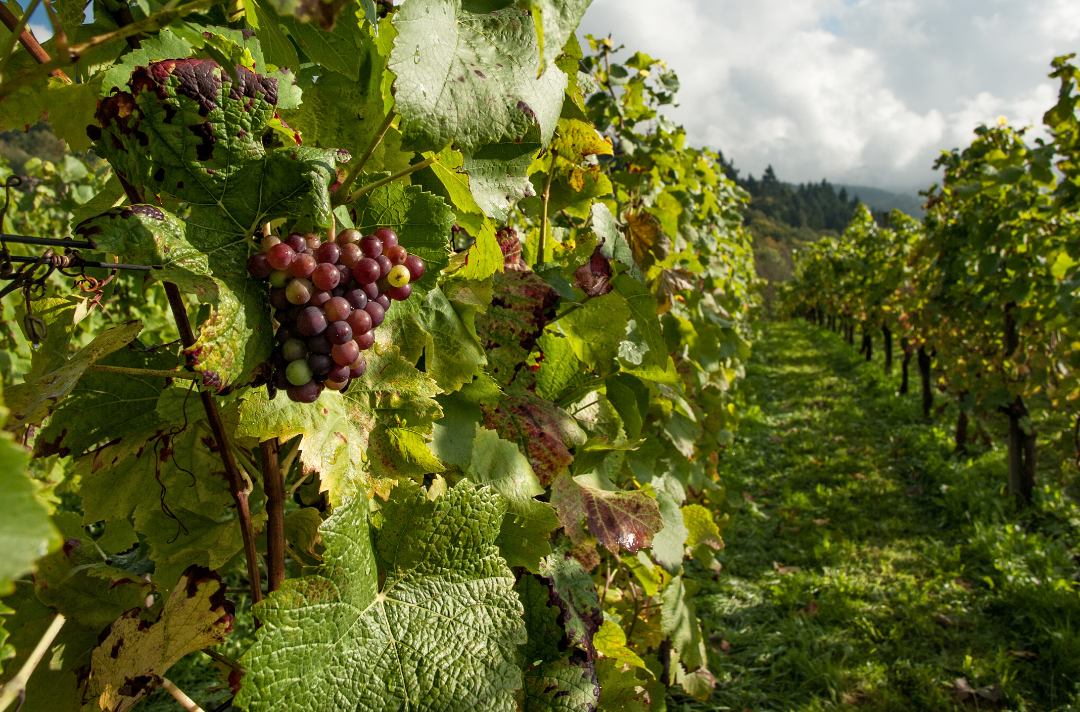
Here at SunSent Solar , we're usually talking about how a Midwest solar installation can turn your home into a powerhouse and dramatically cut your residential solar panel cost . But solar energy is so much more than a great investment—it's a global force for ingenuity and protection. We recently came across an incredible story from Germany that perfectly illustrates just how awesome solar technology truly is. It's a concept called VitiVoltaic , and it’s saving one of the world's most beloved drinks: Riesling wine. Harvesting Two Crops at Once: Electricity and Grapes Climate change is challenging traditional agriculture globally. In Germany's picturesque Rheingau region, the delicate Riesling vines are facing late frosts, intense sun, and heavy rain—all threats to the grape's quality and survival. Enter VitiVoltaic, a brilliant combination of vitis vinifera (grapevine) and photovoltaics (solar power). Researchers at Hochschule Geisenheim University have created specialized test vineyards where solar panels are mounted on high structures directly over the rows of vines. Here’s why this dual-harvest approach is revolutionary: Passive Climate Shield: The panels act as a giant, semi-transparent roof, providing crucial protection for the grapes below against hail, heavy downpours, and intense sun exposure that can ruin the delicate balance of sugar and acidity needed for a perfect Riesling. Frost Defense with Green Power: Traditionally, winegrowers burn massive, smoke-polluting wax candles to ward off late spring frosts. The VitiVoltaic system uses stored green electricity to power heating wires along the vine rows. This clean, silent heat protects the vulnerable young shoots without smoke pollution—a true testament to the versatility of solar energy . Powering the Farm: The electricity generated by the panels is used to power the entire operation, from sophisticated solar monitoring sensors that measure soil moisture and light, to charging agricultural machinery, e-bikes, and pumps. This move toward energy independence cuts costs and streamlines operations, offering wineries a crucial second revenue stream. The Magic of Dual-Use Solar VitiVoltaic is a shining example of "agrivoltaics," where solar performs a dual function: generating power and improving conditions for the land underneath. It proves that solar doesn't just produce clean energy; it protects and sustains the resources essential to our way of life. The project is an incredible illustration of smart solar system design . The German researchers are utilizing semi-transparent panels and tracking systems to ensure the vines get exactly the light they need while the system maximizes its electrical output. This kind of ingenious thinking—using one technology to solve multiple problems—is what makes solar so exciting, whether it’s saving vineyards in Europe or helping homeowners in the Midwest lock in their energy bills. Solar FAQ: Your Midwest Questions Answered Q: Is solar technology used for things other than just home power? A: Absolutely. Solar is used in countless ways globally, from VitiVoltaic agriculture and large-scale commercial power to charging satellites and powering remote water pumps. Its versatility is limitless, which is why experts are constantly optimizing solar system design for every imaginable application. Q: Does my roof need to be south-facing to install a solar system? A: While south-facing roofs offer the highest output, solar is highly effective on east- and west-facing roofs as well. Our expert team uses precise solar energy design software to model your roof and calculate your exact output, often recommending different solar inverters (like microinverters) or solar panel shading solutions to maximize production on less-than-ideal roof faces. Q: What is the most expensive part of a residential solar panel system cost? A: The largest portion of the residential solar panel cost is the high-quality equipment ( solar panel distributors and panels) and the professional labor for installation. If you are seeking resilience against power outages, the solar panel battery installation cost will add a significant expense, though it provides immense value. Q: Are there still good solar deals or programs available in the Midwest? A: Yes! While the federal tax credit is widely known, strong state and utility-level solar panel programs and incentives are constantly changing. We track every current solar panel deal and local rebate available in our service area to ensure your project is as cost-effective as possible. Q: Who should I talk to about getting solar installed in the Midwest? A: If you live in the Midwest and want to see how solar can protect your home and wallet, you need a local expert. SunSent Solar is your go-to source for questions about solar and expert Midwest Solar Installation . We handle everything from initial consultation to final inspection! Inspired by the possibilities of solar? Contact SunSent Solar today for a free, custom quote and find out how awesome solar can be for your home!
By Jack Casey November 20, 2025
It’s tempting. That leaky shingle or damaged vent pipe looks simple enough to fix on a weekend. The promise of saving a few hundred dollars on labor by tackling a DIY roof repair is a huge draw for the handy homeowner. But as a premier Midwest Roofing Contractor , we've seen the aftermath of these projects firsthand. The risks—from personal safety hazards to structural damage that voids your warranty—rarely justify the perceived savings. A seemingly simple fix can quickly turn into a costly, disastrous roofing fail . At SunSent Roofing , we believe in empowering homeowners with knowledge. Here is an essential guide to the most common, and most expensive, DIY roofing mistakes and why leaving the ladder work to licensed professionals is always the smarter investment. The Top 5 DIY Roofing Fails We See in the Midwest Roofing is a complex system designed to withstand decades of extreme Midwest weather —from blistering summers to heavy ice storms. Even minor errors can compromise your home's biggest defense. 1. Ignoring Safety Protocols (The Biggest Fail) The most critical mistake is neglecting safety. Roofing consistently ranks as one of the most dangerous jobs. The Risk: Falls from even a low-sloped roof can result in serious, life-altering injuries or fatalities. Homeowners often lack the professional gear (harnesses, safety ropes, non-slip footwear) and safety training used by certified crews. The Hidden Cost: Medical bills and lost wages will dwarf the cost of hiring a professional crew, who are trained in safety protocols and fully insured. 2. Improper Flashing Installation Flashing —the metal strips around chimneys, vents, and skylights—is the primary defense against water damage . It’s also where most leaks originate. The Risk: Flashing requires intricate skill to cut, fit, and seal. DIYers often rely heavily on caulk or sealant, which quickly cracks under thermal expansion (the natural movement of roofing materials with temperature changes). Improperly installed flashing allows water to wick beneath the shingles and deck. The Hidden Cost: A slow, undetected leak caused by poor flashing can lead to extensive rot in the roof deck, framing, and attic, resulting in mold growth and thousands of dollars in structural repairs down the road. 3. Using the Wrong Materials (or Not Enough of Them) Roofing materials are highly specialized. Saving a few dollars on the wrong product is a sure path to early failure. The Risk: Using a generic sealant instead of specialized, UV-rated urethane. Using the wrong length or type of nail. Missing the crucial underlayment that provides a second layer of water protection. These choices can void the shingle manufacturer’s warranty immediately. The Hidden Cost: Your attempt at a small repair can force a complete roof replacement years sooner than necessary because the cheap materials degrade faster or the warranty is lost. 4. Improper Nailing and Shingle Placement Every shingle has a precise exposure line and a specific nailing zone that must be hit to ensure the shingle locks in place and seals correctly. The Risk: Over-driven nails (hammered too tight) crush the shingle material, allowing water to penetrate. Under-driven nails can pop up, tear the shingle above it, and cause leaks. Nailing too high or too low fails to secure the shingle against high winds. The Hidden Cost: A poorly nailed roof is an open invitation for wind damage, hail damage, and leaks, turning a minor repair into an emergency claim after the next storm. 5. Fixing the Symptom, Not the Cause A drip in your ceiling is a symptom, not the problem. Without a trained eye, you can easily fix the visible symptom without identifying the root cause. The Risk: A leak far down your roof may actually be caused by a small crack near the ridge, a ventilation issue, or even clogged gutters. A DIY roof repair often creates a "band-aid" that fails within months. The Hidden Cost: You waste time and money on a fix that doesn't last, and the underlying issue (like poor attic ventilation or a compromised roof deck) continues to cause hidden damage. The Professional Advantage: Why SunSent Roofing is the Midwest's Best Investment When you hire SunSent Roofing , you are investing in expertise, guaranteed quality, and true peace of mind. We eliminate all the risks of DIY roofing fails by offering comprehensive protection: Expert Diagnosis: Our licensed contractors are trained to conduct a full, comprehensive roof inspection, identifying hidden damage in the deck, ventilation, and flashing that a DIYer would miss. We fix the cause, not just the symptom. Guaranteed Workmanship: We use only high-quality, manufacturer-recommended materials installed to exact specifications. Our work is backed by a robust workmanship warranty , protecting your investment for years to come. Safety and Liability: Our crews operate with the latest safety equipment and protocols. We are fully licensed and carry extensive liability insurance, meaning if an accident happens, you are never held financially responsible . Streamlined Solutions: As experts in both roofing and Midwest Solar Installation , we are uniquely qualified to handle jobs that involve solar panel mounting systems or complex electrical components, ensuring your roof remains structurally sound and watertight. Don't let the temptation of saving a small amount today lead to a catastrophic expense tomorrow. A roof is the single most important protective layer for your home. Ready to Protect Your Home the Right Way? Stop risking your safety and your home's structural integrity on the roof. SunSent Roofing is trusted across the Midwest for delivering superior quality, transparent service, and reliable results. We handle everything from minor repairs to full roof replacement and complex solar integration. Don't wait for a DIY roofing fail to turn into a disaster. Contact SunSent Roofing today for an inspection and estimate. We are the #1 roofers in the Midwest, and we’re ready to protect your home.
By Jack Casey November 19, 2025
One of the first and most important questions homeowners ask us is, "How much does a solar system cost?" The simple, honest answer is that the residential solar panel cost varies for every single home, much like the price of a car depends on the model, features, and engine size. However, as your local Midwest Solar Installation experts based near St. Charles, Missouri (serving both sides of the Mississippi, including much of Illinois), we have real-world data to give you a clear, easy-to-understand breakdown of what you can expect to pay for your home solar panel systems cost in our region. 1. The Core Price: Cost Per Watt ($/W) in Missouri and Illinois The most reliable way to compare residential solar panel prices is by the cost per watt ($/W). This standardizes the price regardless of system size.
By Jack Casey November 18, 2025
As a business owner in the Midwest , you constantly seek ways to cut operational costs, hedge against rising inflation, and increase your property’s value. Your biggest, most underutilized asset may be right above your head: your massive, empty commercial roof. At SunSent Solar , we don't just see a roof; we see an opportunity. We see a path to converting passive overhead costs into a guaranteed revenue stream. Commercial solar is no longer a green initiative—it is arguably one of the most reliable, high-yield solar investment strategies available to modern businesses. SunSent Solar is the Midwest's go-to for turning your business into a cash machine. Here is why now is the perfect time to make that move. The Financial Firewall: Protecting Your Bottom Line The primary, immediate benefit of a commercial solar system is financial security. Solar allows you to take control of what is often one of your top three operating expenses: electricity. 1. Drastically Reduced and Eliminated Bills Commercial facilities, especially manufacturers, warehouses, and cold storage units, have high energy demands. By installing a Midwest solar installation , you instantly generate your own power, drastically cutting your utility expenses. Most businesses can slash their electrical overhead by up to 75% or more. 2. Hedging Against Inflation Utility electricity costs are volatile and constantly rising. By investing in solar, you lock in your energy cost for the next 25-30 years at nearly zero. When electricity rates inevitably increase, your savings accelerate, essentially giving you a powerful hedge against inflation and providing predictable business cash flow . 3. High Return on Investment (ROI) and Short Payback A commercial solar system offers an ROI that consistently outperforms traditional investments like the stock market. Average ROI: Commercial solar projects in the Midwest frequently see an Internal Rate of Return (IRR) in the range of 10% to 20% . Payback Period: Thanks to robust incentives, the break-even point for a typical commercial solar installation in the Midwest often occurs between 3 and 6 years , with the rest of the system's 25+ year life being pure profit. Maximize Your Profit with Powerful Federal Incentives The Federal Solar Tax Credit (Investment Tax Credit or ITC) is a game-changer for businesses, often covering a significant portion of the solar panel cost . The Federal ITC: Businesses can claim a tax credit equal to 30% or more of the total cost of the installed solar system, reducing their federal tax liability dollar-for-dollar. Bonus credits are often available for projects that meet certain domestic content or location requirements, potentially raising the ITC to as high as 50% . Accelerated Depreciation (MACRS): The government allows businesses to deduct the cost of the solar system (after the ITC deduction) over an accelerated five-year schedule. This can account for an additional 25% to 35% of the total system cost in tax deductions. REAP Grants: For qualifying rural businesses and agricultural producers, the USDA's Rural Energy for America Program (REAP) can offer grants covering up to 40% of the project cost, which never needs to be repaid. When combined, these incentives can reduce the net out-of-pocket cost of a high-quality Midwest solar installation by more than 50%, accelerating your Commercial Solar ROI . Midwest Case Study: Turning Overhead into Value Consider a well-known Midwest example: a water cooperative in Illinois that installed a ground-mounted solar array on a small piece of land. Project Size: Approximately 1.6 acres of land. Annual Production: Expected to generate around 423,000 kWh annually. Energy Savings: Reduced electricity costs by approximately $17,000 in the first year alone . Total Incentivized Value: Factoring in the ITC and state-specific incentives like SRECs (Solar Renewable Energy Credits), the project achieved a combined 15-year value of over $600,000 . This demonstrates that even a relatively small commercial solar project can generate a powerful, predictable revenue stream that far outpaces traditional business growth, all while securing energy independence . Beyond the Money: Corporate Benefits Increased Property Value: A commercial property with an owned solar array is viewed as an appreciating asset. Lower energy bills boost the Net Operating Income (NOI), directly increasing the property's market value, often by more than the solar panel cost . Energy Resilience: Commercial operations cannot afford power outages. Paired with solar battery storage , a solar system ensures your critical systems—from refrigeration units to data centers—stay operational during grid failures, protecting you from lost revenue and damaged inventory. Enhanced Brand Image: Consumers and business partners increasingly prioritize sustainability. A highly visible solar system demonstrates a tangible commitment to reducing your carbon footprint, boosting your brand image, and attracting environmentally conscious customers and top-tier employees. Ready to Convert Your Roof to a Profit Center? Don't let that huge empty roof sit there, doing nothing. SunSent Solar is the specialized Midwest Solar Installation expert that understands the complexities of commercial projects—from specialized roofing systems to maximizing federal and state incentives. Ask us any questions. We will figure out the most financially advantageous path to turn your business into a cash machine. FAQ: Commercial Solar for Businesses Q: What is the average payback period for a commercial solar system? A: The average payback period for a commercial solar system in the Midwest is generally between 3 and 6 years , due to the rapid recouping of costs through the Federal Solar Tax Credit (ITC) and accelerated depreciation. Q: How does accelerated depreciation work for commercial solar? A: Through the Modified Accelerated Cost Recovery System (MACRS), businesses can deduct a large percentage of the system's cost (after the ITC) from their taxable income over a short period (typically five years), providing a massive benefit to business cash flow right after installation. Q: Can commercial solar systems protect my business from power outages? A: Yes. When combined with a large-scale solar battery storage system, a commercial solar array can operate as an independent microgrid , ensuring your business maintains energy independence and critical operations remain online even when the utility grid fails. Q: My business is in a rural area. Are there special incentives? A: Yes. Businesses in rural areas may qualify for the USDA's Rural Energy for America Program (REAP) grants and loan guarantees, which can cover up to 40% of the commercial solar project cost in the form of a non-repayable grant. Ready to see your business's custom ROI? Contact SunSent Solar today for a complimentary commercial solar analysis!
By Jack Casey November 13, 2025
Your home’s roofing system and your solar panels are a powerful duo, working together to protect your home and generate clean energy. But what happens when your roof needs essential roof repairs or a complete roof replacement ? The process of reroofing with an existing solar system can be complex and costly, often requiring coordination between two different contractors. However, as both a leading Midwest Solar Installation company and a premier Roofing Contractor , SunSent Solar is uniquely positioned to handle the entire project seamlessly, saving you time, money, and hassle. Here is an informative guide on what's involved in reroofing with solar and the overwhelming advantage of choosing a unified expert like SunSent Solar. The Inevitable: Why You Need to Remove Your Solar Panels for Reroofing When your roofing materials —most commonly asphalt shingles —reach the end of their lifespan (typically 20-30 years), they must be replaced to prevent water damage to your home's structure. If you have solar panels for your home , they must be completely removed before the old roof can be torn off and the new one installed. Why the panels must come down: Access: Roofers need clear access to remove the old shingles, inspect the underlying roof deck , and install the new materials, including flashing and underlayment . Warranty: Improper installation of the new roof around the solar mounts can void your new roof warranty . The roof must be watertight before the solar mounting hardware is reattached. Weather Sealing: New roof penetrations must be made for the solar mounts, and the roofing contractor needs to ensure these are perfectly sealed to prevent leaks. The SunSent Solar Advantage: Roofing and Solar Under One Roof The most efficient, cost-effective, and secure way to handle a reroofing project when you have solar panels is to use a single company that is an expert in both fields. SunSent Solar is both a licensed, experienced Roofing Contractor and a seasoned Midwest Solar Installation specialist. 1. Single Point of Contact (S.P.O.C.) When you choose SunSent Solar, you eliminate the logistical nightmare of managing two different companies. We provide one dedicated project manager, one contract, and one unified crew for the entire process: Seamless Scheduling: We manage the entire timeline—from system shutdown and panel removal to roof replacement and system commissioning—with zero downtime between trades. Warranty Integrity: Your new roof warranty and your solar panel warranty are protected under the umbrella of a single company, eliminating finger-pointing if an issue arises. Simplified Permitting: We streamline the permitting process, which often involves both building (roofing) and electrical (solar) clearances. 2. Maximum Cost-Efficiency By bundling the labor for removal, roofing, and reinstallation, we significantly reduce overhead and fixed costs. This can result in thousands of dollars in savings compared to hiring two separate crews. 3. Superior Roof Protection Because our team understands how solar mounting hardware interacts with the roofing system , we are meticulous about flashing and waterproofing. We use the latest techniques to ensure every penetration is perfectly sealed, guaranteeing your new roof’s integrity and preventing costly water damage . The Process: How SunSent Solar Handles Your R&R Project System Assessment: We inspect the age and condition of your current roof and solar system to confirm if the panels can be successfully reinstalled. Safe Disconnection: Our certified solar electricians safely shut down, disconnect, and de-energize the solar system from your home and the utility grid. Panel Removal: Our crew carefully detaches the solar panels and racking, safely storing them onsite. Roof Replacement: Our expert roofers tear off the old roof, inspect the roof deck , make necessary repairs, and install your new, high-quality roofing materials (e.g., durable asphalt shingles or metal roofing). Reinstallation & Commissioning: We install new solar mounts, reattach your panels, rewire the system, and perform final inspections to bring your solar energy system back online at peak performance, ensuring your quick return to energy independence . FAQ: Reroofing with Existing Solar Panels Q: Do I really have to remove my solar panels to replace my roof? A: Yes. To install a new roof properly, the old shingles must be completely removed down to the roof deck , and the new roofing materials must be installed and fully sealed before the panels go back on. Attempting to install around the panels voids the new roof warranty and is a high-risk for roof leaks . Q: What is the average cost to remove and reinstall solar panels? A: On average, the cost for Remove and Reinstall Solar (R&R) ranges from $200 to $500 per panel , or typically $3,000 to $8,000 for an average residential system. This cost does not include the price of the new roof itself. By using a combined provider like SunSent Solar, you can minimize labor costs and save money. Q: Should I get a new roof before installing solar panels? A: Absolutely. If your roof has less than 5–10 years of useful life left, we strongly recommend replacing the roof first. This prevents the need for a costly R&R project just a few years after your solar panel cost investment. Q: Will I lose power while my solar panels are removed? A: Yes, your solar system will be shut down and disconnected during the reroofing process. Your home will rely on the utility grid during this time. We work quickly to minimize this disruption and get your energy independence restored as fast as possible. Q: How does SunSent Solar make this easier? A: As a Roofing Contractor and Midwest Solar Installation expert, SunSent Solar provides a single company, a single point of contact, and a unified crew for the entire job. This eliminates coordination delays, simplifies permitting, and guarantees a seamless process with full warranty protection for both your roofing system and your solar panels . Facing a roof replacement? Don't stress about your solar investment. Contact SunSent Solar today to get a single, unified quote for your R&R project!